February Birthstone: Amethyst Meaning, Color, History and Care
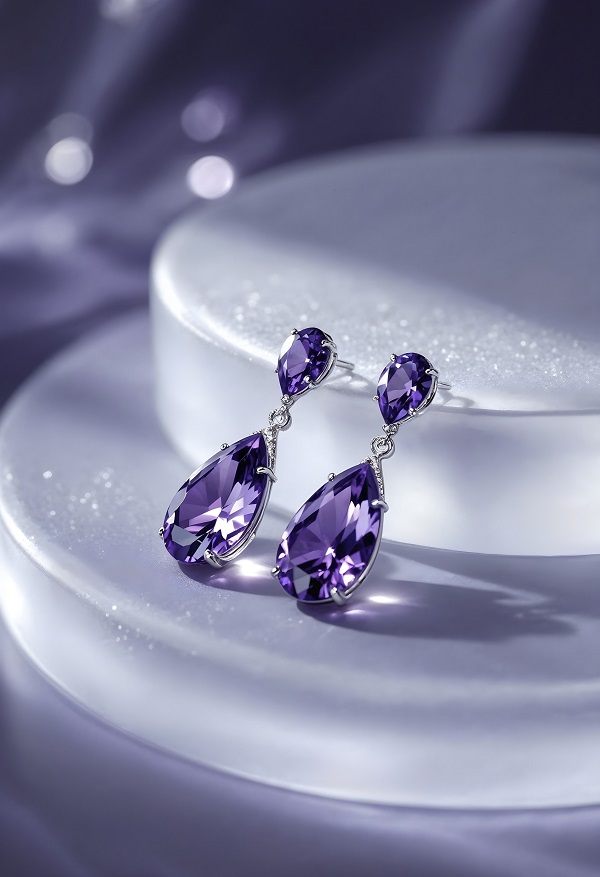
When it comes to birthstones, February has a gem that’s hard to ignore. The February birthstone, the amethyst gemstone, isn’t just a pretty purple rock. It’s a stone packed with history, symbolism, and a touch of mystique. From delicate jewelry to bold statement pieces, amethyst jewelry has been cherished for centuries. But what exactly makes this February gemstone so special? Let’s dive in.
What Makes Amethyst the February Birthstone?
Amethyst isn’t just “purple quartz,” though technically that’s what it is. It’s so much more than that. Its connection to February dates back to ancient traditions where people believed gemstones could influence personality, luck, and well-being. People born in February were thought to possess qualities similar to amethyst—calm, balanced, and thoughtful.
It’s versatile too. Whether set in rings, gemstone necklaces, earrings, or bracelets, the birthstone for February fits every style. Light lavender or deep royal purple, it’s a gem that can suit casual day-to-day wear or dressy evening occasions. And there’s something undeniably magical about seeing sunlight catch a deep purple amethyst—it’s almost hypnotic.
I remember walking into a small jewelry shop once, late afternoon, the sun just slanting in through the window. A tiny amethyst gemstone in a delicate silver setting caught the light and glowed like it had a little fire inside. Honestly, I couldn’t stop staring. That glow? Part of why amethyst is a favorite in February gemstone jewelry.
Amethyst Meaning and Symbolism through History
The meaning of amethyst is as rich as its color. Its name comes from the Greek word “amethystos,” which roughly translates to “not intoxicated.” Ancient Greeks believed the stone could prevent drunkenness—a curious and kind of funny superstition when you think about it.
Beyond that, the amethyst gemstone has long been associated with clarity, calmness, and spiritual growth. Medieval European royalty prized it for its supposed power to bring wisdom and protection. Priests often wore amethyst rings as symbols of piety and insight. Even today, some believe amethyst jewelry can soothe stress, enhance intuition, or even aid restful sleep.
The symbolic meanings layered over centuries give this stone an emotional depth. It’s not just about color or clarity—it’s a story you wear. And there’s something comforting about that. Holding a birthstone for February, you’re literally carrying centuries of belief, culture, and human hope.
Understanding Amethyst Color, Clarity, and Quality
Not all amethyst gemstones are created equal. Color is the first thing people notice. You’ve got your light lilacs, your medium purples, and those stunning deep violet tones. In general, the deeper and richer the purple, sometimes with subtle flashes of red or blue, the more prized the stone.
Clarity matters too. Most amethysts are eye-clean, meaning they don’t have visible inclusions, but occasional tiny internal lines are natural. Don’t freak out—it doesn’t ruin the beauty. It actually adds character, a little fingerprint from nature itself.
When shopping for amethyst jewelry, consider the cut. Round, oval, emerald, or even heart-shaped, the right cut can make the stone dance in the light. And yes, there’s a difference between natural and synthetic stones. Some jewelers offer lab-created amethysts that look perfect but are chemically identical to natural stones. Personally, I like the slight imperfections—they remind me it’s real, it’s been somewhere, and it’s seen something.
A Brief History of Amethyst in Jewelry and Culture
Amethyst has traveled through time like a purple thread weaving through human history. Ancient Egyptians carved amethyst into amulets. Greek and Roman elites wore it in rings and pendants. Fast forward a few centuries, and European royalty used it in crowns, scepters, and lavish necklaces.
By the 19th century, amethyst became more accessible, adorning everything from ornate Victorian rings to simple silver lockets. Its popularity hasn’t faded. Today, you see it in amethyst jewelry, from delicate studs to bold cocktail rings. Designers love it for its versatility—it can be regal, understated, playful, or modern.
Culturally, amethyst also pops up in religion, art, and literature. It symbolizes calm, reflection, and balance—a fitting metaphor for the often cold, gray month of February. No wonder it’s the February birthstone. It’s like a little pocket of warmth and richness in the middle of winter.
How to Care for Amethyst Jewelry to Preserve Its Beauty?
Amethyst is relatively durable but not indestructible. It scores a 7 on the Mohs hardness scale, which is good, but it can scratch if not treated gently. Here’s the lowdown:
- Cleaning: Use lukewarm water, mild soap, and a soft brush. Avoid harsh chemicals or ultrasonic cleaners—they can damage the stone or its setting.
- Storage: Keep your amethyst jewelry separate from harder gemstones like diamonds or sapphires. Wrapping pieces in soft cloth works wonders.
- Sunlight exposure: Too much can fade the color. So yes, that beautiful necklace you love wearing on a sunny day? Maybe save it for indoor wear or evening outings.
- Regular checks: Stones can loosen in their settings. A quick visit to your jeweler every year ensures everything stays secure.
Honestly, caring for February gemstone jewelry isn’t complicated, but attention makes a difference. Treat it like a friend—it responds in kind.
FAQs About Amethyst
Q1: Is amethyst considered a precious or semi-precious stone?
Amethyst is classified as a semi-precious stone. However, its beauty, history, and versatility give it an allure often rivaling precious gems.
Q2: Can amethyst fade over time?
Yes, prolonged exposure to strong sunlight can lighten its color. Store your amethyst jewelry in cool, shaded places when not worn.
Q3: Are there different types of amethyst?
Absolutely. There’s the standard purple amethyst, deep Siberian amethyst (very rich purple), and chevron amethyst, which has distinctive white banding. Each has its own charm and appeal.
In the end, the February birthstone is more than just a purple gem. It’s a blend of history, symbolism, color, and emotion. From its legendary powers to its versatile use in amethyst jewelry, this birthstone necklaces embodies elegance, personality, and timeless appeal. Wearing an amethyst gemstone isn’t just about aesthetics—it’s about carrying a story, a tradition, and a spark of beauty that’s lasted centuries.
Whether it’s a delicate pendant, a sparkling ring, or a bold bracelet, amethyst offers a richness and warmth that few stones can match. And maybe, just maybe, it’s exactly the charm you need for February—or any month.
